
How to Build Rapport and Connect with Your Audience
Do you want your message to resonate with your audience? The message is more likely to land well, be received and trusted if you have connected with your audience. They must know, like and trust you. How can you accomplish that? By building rapport rapidly near the beginning of your presentation.
Tell Me About Yourself
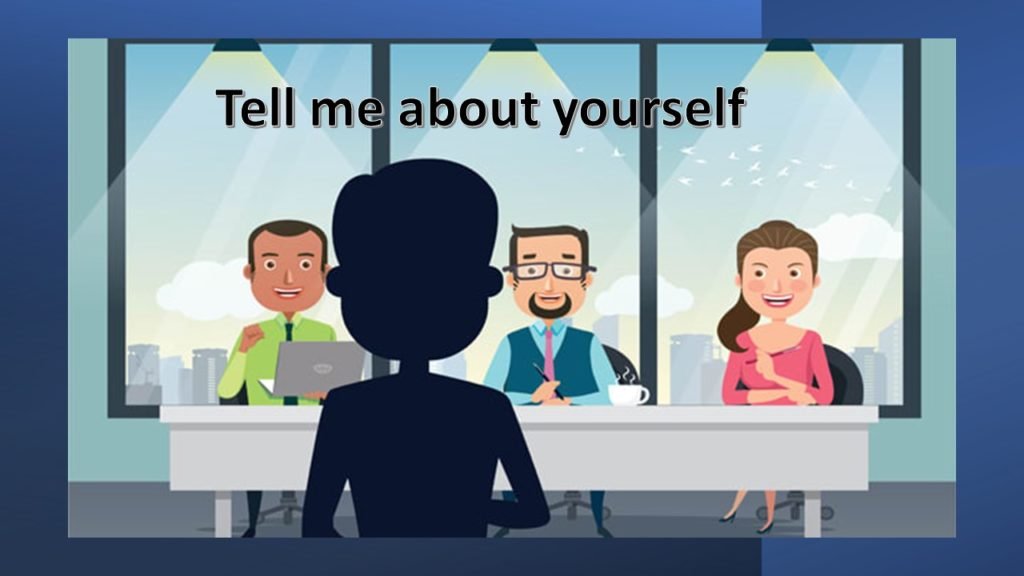
This was a question that was often asked in job interviews. I used to think that it was a lazy question from the interviewer. No imagination in posing that question. It was non- specific and vague. Then I realized that it might be a brilliant question because of the vagueness. The vagueness of the question would probably disrupt the comfort of the candidate. Let’s see how they handle this challenge.
What are the Three Communication Channels you Must Use?
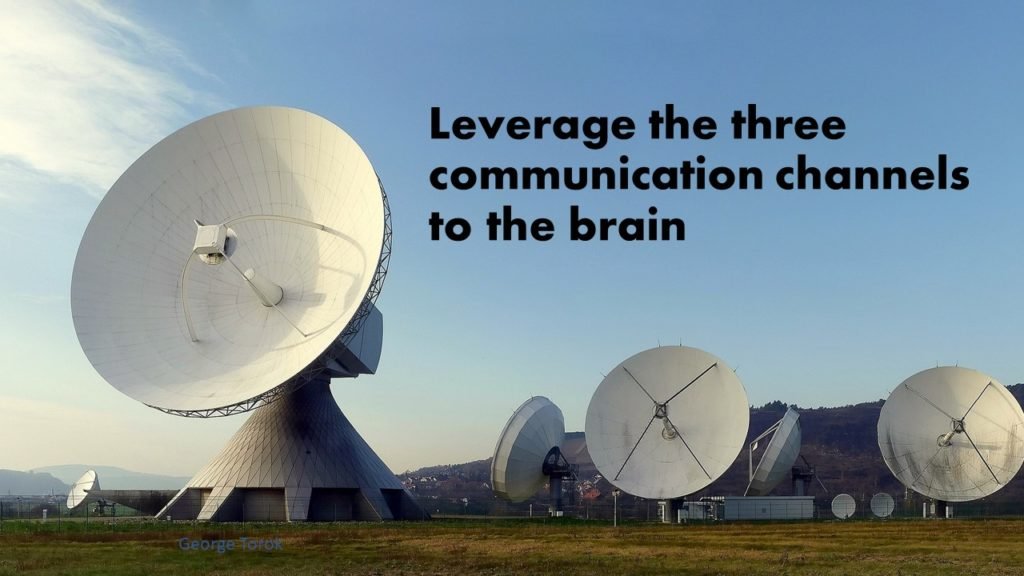
The three main communication channels are processed by distinct areas within the brain. By using these channels correctly you leverage the different strengths of each channel. These channels are: Words, Voice and Visual.
If you want to be a guest on a podcast…
If you want to be a guest on my podcast the most important question you need to answer is, “What will you do for me?” It’s not about you. When I receive a pitch in which every sentence starts with “I, me or my” you’re not talking about me and my interests. You didn’t grab my attention. What would grab my attention?
A Successful Presentation Starts and Succeeds with a Clear Purpose

I asked him to clarify the purpose of this presentation. That’s the first place for you to start when designing, reviewing and adapting your presentation. That’s also how you should measure the success of your presentation. He paused briefly to think about that, then started to ramble. I smiled and cut him off. “What do you want people to think, feel or do after your presentation?” I could see the light bulb go on in his mind.
Think, feel or do?
Do Not Sabotage Your Message with Filler Words
Reread that and see if you can pick out the filler words that steal energy from this speech. Imagine if you used these words in your presentation. What might that do to poison your intended message? Picking out the filler words is the first step to eliminate them. It starts with you becoming aware. Start listening to what you say when you speak…. ah, umm, like so, okay, right, you know…
CEO Speaks Nonsense? What did she really mean?

What happens when your words sabotage your message instead of conveying it? As CEO of your company your words are important. The messages that you deliver in public are evaluated by your investors, staff, suppliers, customers, competitors, marketplace and media. People will judge you and your company by your words. They might misjudge your message. That’s why it’s important to thoughtfully choose your words to convey your intended message.
How to Look better on virtual meetings: Think TV not Radio

How to Look better on virtual meetings: Think TV not Radio. Radio is only audio – words, voice, tone, pace pattern, music. The audio must be good.
TV is that plus the visual – body language, imagery, photos, movement. The audio must be good. The video must be better.
On TV the visual dominates the impact (if the audio quality is acceptable). Poor audio sabotages both radio and TV.
Let’s assume that your audio is acceptable. This standard can vary based on the circumstance and expectations.
How to Tell Your Stories
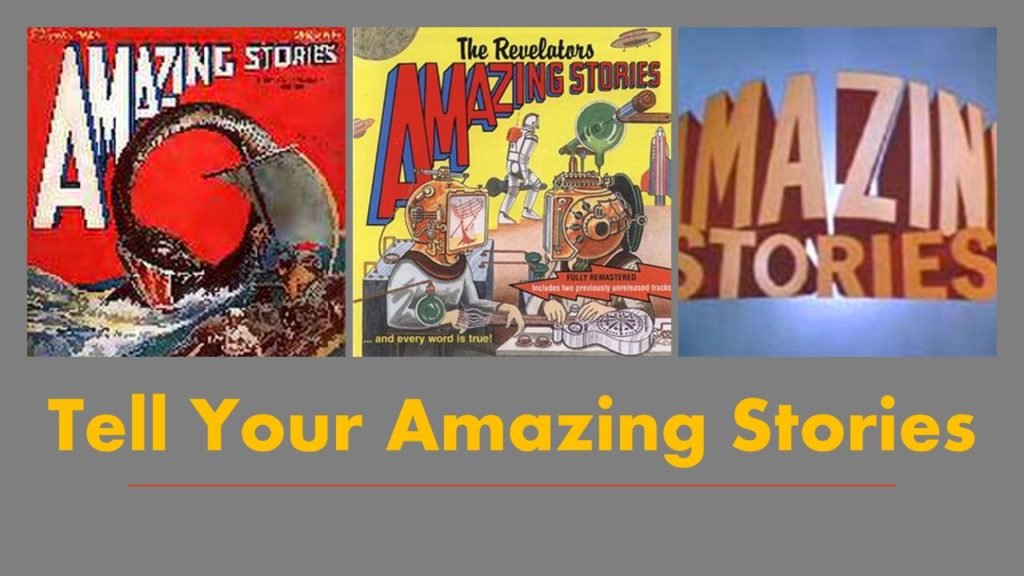
The best speakers tell stories. Your audience forgets most of what you said in your presentation. They forget your name. If they remember anything, it’s your best stories. You know it was an effective story when they repeat it to others. They might not repeat it word for word – but they convey the essence of your message. That makes your presentation story a success.
Public Speaker: Do Not Think on your Feet
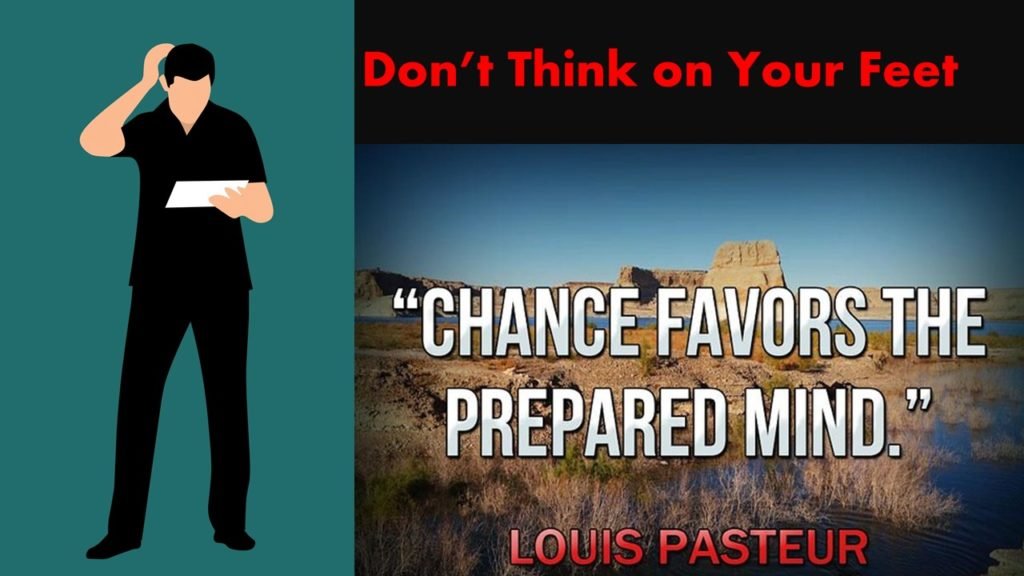
When it’s your turn to speak don’t try to think on your feet. It’s too dangerous. When you try to wing it you leave too much to chance. You might be sharp today. Or, you might be ill or even in a foul mood. Thinking on your feet is experimenting with your audience. Don’t gamble the success of your presentation on the throw of the dice.